Suran Curry | Jimikand Curry | Oal Masala Curry | Elephant Yam Curry
📖 यह रेसिपी हिन्दी में पढ़ें → सूरन, जिमीकन्द या ओल की मसाला करी | Jimikand ki sabji | Oal ki sabji | Elephant Yam Curry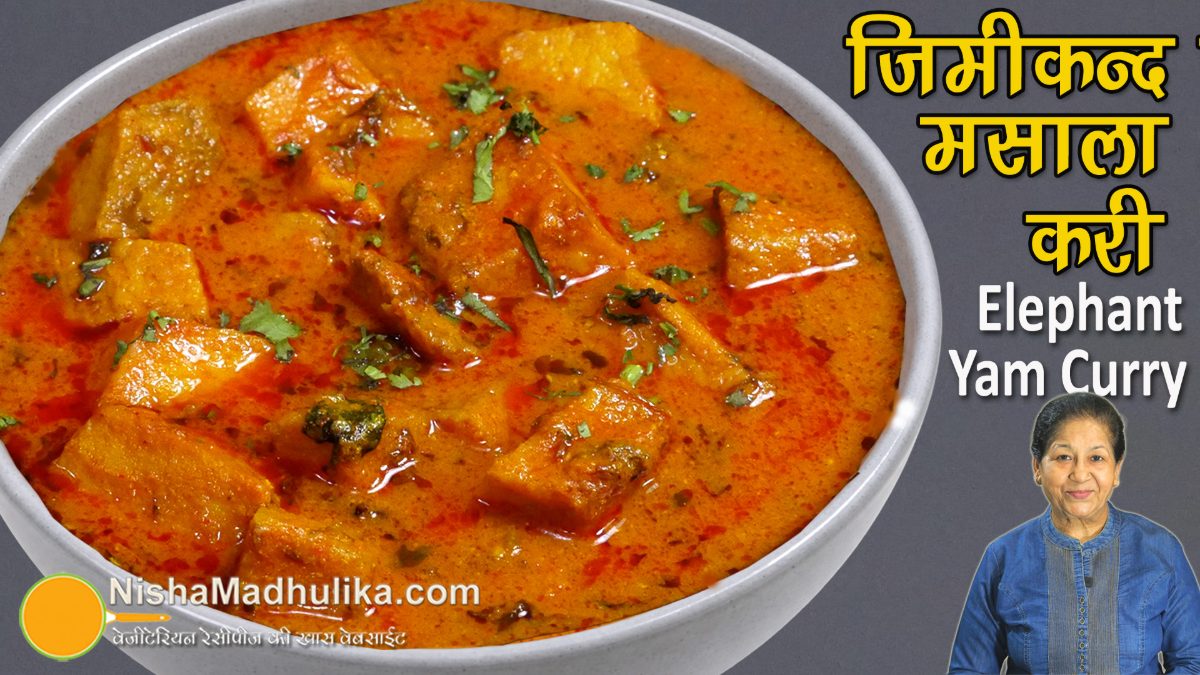
Jimikand, also known as Suran, Oal or Elephant Yam, is rich in potassium and other nutrients. It helps improve digestion, supports weight management, and aids in balancing diabetes and cholesterol levels. It also has a unique and distinctive flavour. You should make it at least once a month.
Ingredients for ...
-
Main Ingredient:
- Jimikand (Elephant Yam / Suran) – 300 grams
For Boiling:
- Water – ¾ cup
- Salt – ½ teaspoon
- Turmeric powder – ¼ teaspoon
- Lemon juice – juice of half a lemon
For Frying and Gravy:
- Mustard oil – 4 tablespoons (any oil can be used, but mustard oil gives the best flavour)
- Cumin seeds – ½ teaspoon
- Asafoetida (hing) – a pinch
- Turmeric powder – ½ teaspoon
- Coriander powder – 1 teaspoon
- Tomatoes – 2
- Ginger – ½ inch piece
- Green chilli – 1
- Deggi red chilli powder – 3 teaspoons (adjust according to spice preference)
- Cinnamon stick – 1-inch piece
- Black cardamom – 1 (seeds removed from the pod)
- Cloves – 2
- Black peppercorns – 4
- Kasuri methi (dried fenugreek leaves) – 1 tablespoon (crushed)
- Curd (yogurt) – ¼ cup
- Cream / malai – ¼ cup (optional, for a richer gravy)
- Water – 1 cup (adjust according to desired gravy consistency)
- Salt – to taste (a little more than ½ teaspoon)
- Fresh coriander leaves – a small handful
- Lemon juice – 1 teaspoon (to be added at the end)
How to make Jimikand Curry, Suran Curry
- Before cutting the jimikand, apply a little oil on your hands (it can cause itching on sensitive skin). Completely remove the thick outer skin, wash the yam, and cut it into medium-sized pieces.
- In a pressure cooker, add ¾ cup water, ½ teaspoon salt, ¼ teaspoon turmeric, and the juice of half a lemon. Mix well and add the jimikand pieces. Close the cooker and cook until 1 whistle. Switch off the flame and let the pressure release naturally. Do not let the pieces become too soft — they should be just tender. Drain the water.
- Heat 4 tablespoons of mustard oil in a kadhai. Add the boiled jimikand pieces and fry on high flame until they turn light pinkish-brown on all sides. Remove and keep aside. If there is excess oil, discard a little.
- On low flame, add cumin seeds, hing, turmeric powder and coriander powder to the remaining oil. Add the paste of tomatoes, ginger and green chilli. Then add deggi chilli powder, cinnamon stick, black cardamom seeds, cloves and black peppercorns. Also add the crushed kasuri methi. Roast the masala until the oil starts separating.
- Add ¼ cup curd and continue roasting for 1–2 minutes while stirring. You can also add ¼ cup cream or malai at this stage if desired. Roast again until the oil separates.
- Add 1 cup water and salt to taste. Add the fried jimikand pieces and some fresh coriander. Cover and cook on low flame for 4–5 minutes so that the spices are well absorbed into the pieces.
- Remove the cinnamon stick. Finally, add 1 teaspoon lemon juice (skip if you don’t prefer a sour taste). Switch off the flame.
Tips
-
The Jimikand curry is ready. It has a wonderful texture, colour and aroma. Serve it with poori, paratha, chapati or rice. It is delicious and quite easy to make. Do try it and let us know how it turned out!
-
Nutritional Benefits of Jimikand (Elephant Yam):
Jimikand is a nutrient-rich vegetable. It is a good source of potassium, dietary fibre, iron, vitamin C and antioxidants. It helps strengthen the digestive system, supports blood pressure management, and is considered beneficial for people with diabetes. The fibre present in it also aids in weight control and helps maintain healthy cholesterol levels. Consuming it in moderate amounts regularly can be good for overall health.
Comments (0)
New comments are closed for now. You can read earlier questions and answers below.